


Enora Jacquart
Don’t look for Enora Jacquart in galleries or on social media.
Enora contacted the gallery to share her story: one of recovery following a long period of trauma linked to the resurgence of masculinism.
This cathartic process gave rise to a powerful visual narrative, at the crossroads of studio photography with live models and computer-generated imagery with a cinematic aesthetic.
Between Suzanne and Judith: from victim to activist
To make her experience accessible and universal, Enora draws on the key figures of Artemisia Gentileschi and Wilhelm von Kaulbach:
-
-
Suzanne: ‘Don’t look at me.’ (The vulnerability felt when faced with a scrutinising and intrusive gaze).
-
Judith: ‘You will not dominate me.’ (Taking back control of her destiny and rejecting domination).
Enora highlights the enduring nature of the pressures women have faced over the centuries. She does not merely photograph the threat or the male gaze: she captures the rupture. In her works, the subject does not seek to seduce or to put on a show of her own vulnerability. She transforms the intimate experience of trauma into a visual language of brutal yet healing power.
Rejected by other venues because of its political and emotional content, which was deemed ‘too risky’, this series has found its rightful home at the Galerie Koronin, which has chosen to support art that is necessary, aesthetically pleasing and uncompromising.
-
Aesthetic Overview (Photographs + Computer Graphics)
Enora’s digital artwork really comes into its own here. The image is not ‘realistic’. It has a painterly texture, theatrical lighting and a colour palette that link it directly to 19th-century history painting. Computer graphics enable her to create this almost unreal mass of attackers and to render this cataclysmic sky, transforming a street scene into a mythological nightmare. The sharpness and clarity of the main subject contrast with the blurriness and darkness of the surrounding fury.
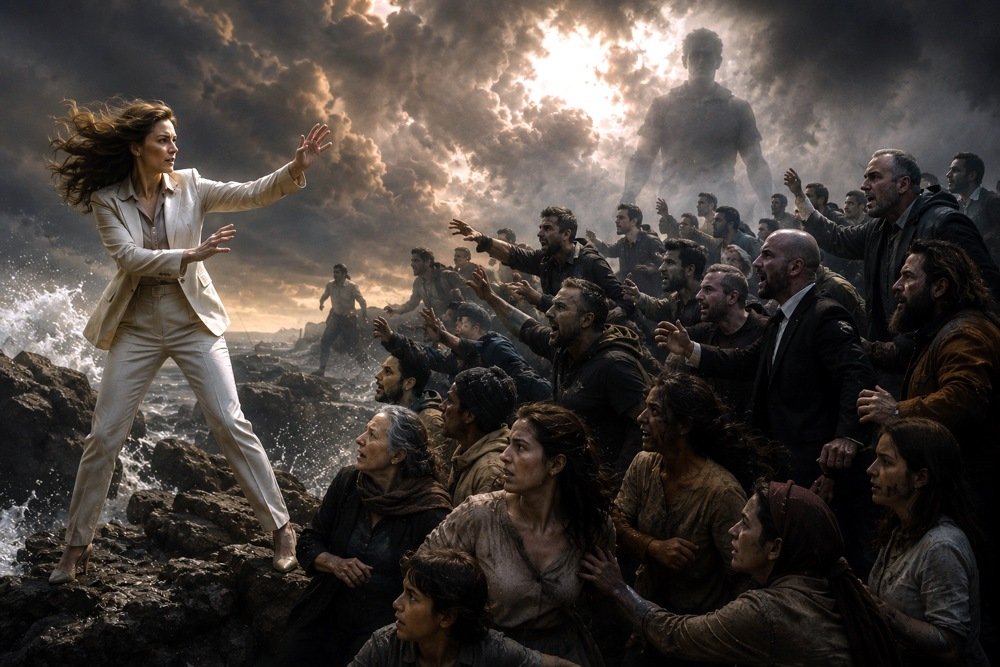
Contemporary Artemise: Intelligence versus Fury, visual photography and digital art.
Analysis of the Work: Intelligence versus Fury (After von Kaulbach)
1. The iconographic starting point: Artemisia of Halicarnassus by Wilhelm von Kaulbach
The original work by Wilhelm von Kaulbach (a 19th-century Bavarian artist) is a monumental and epic fresco. It celebrates the heroism of Queen Artemisia I of Halicarnassus, an ally of Xerxes at the Battle of Salamis (480 BC-C.). Kaulbach depicts the chaos of the naval battle: Artemisia, a warrior and strategist, fights fiercely on her ship as the Greek forces close in. All around her, it is every man for himself, with women fleeing the horror of the enemy soldiers, who are often depicted as monstrous or brutal. It is a celebration of the feminine exception in a brutal world.
2. Enora Jacquart’s radical adaptation
Enora retains the epic composition and dramatic scope (the lighting, the waves, the mass), but she brings about a fundamental shift in meaning:
-
From a military struggle to an ideological struggle: It is no longer a question of repelling foreign soldiers, but of rejecting a way of thinking: masculinist fury. Chaos is no longer a physical battle,but a social storm.
-
From the physical to the intellectual: Enora’s contemporary Artemise does not wield a sword. Her posture, elegant and steady in a beige trouser suit (the colour of reason, of soft light, as opposed to dark fury), is a gesture of pure intelligence. Her hand is not a shield, it is a mental barrier. It repels not bodies, but arguments, pressure, ‘manterrupting’, the violence of words and ideas. It embodies clear-headed speech that refuses to be silenced.
-
The central figure: The woman in a suit (who, incidentally, echoes the woman in the biker jacket from the first image) is ‘real’, unattractive, and does not play along with her own performance. Her determination is that of the spirit over raw matter.
3. Masculinist fury: The monstrous enemy
Enora transforms Kaulbach’s “monstrous soldiers” into a mass of men with grimacing faces, bellowing, aggressive. Their violence is no longer embodied by swords, but by the hatred in their eyes and the sheer force of their numbers. They embody mass harassment, the rejection of female intelligence, and the attempt to regain control through intimidation. The dark, screaming crowd stands in stark contrast to the clear, steady and resolute figure of the free woman.
4. The second battle: The danger of submission
This is the most complex and poignant aspect of Enora’s interpretation. In the bottom right-hand corner, the group of women is not saved by the heroine. On the contrary, Enora shows the price of submission ‘out of habit or upbringing’. These women show no solidarity. They are dazed, fearful, cowering. They seem to regard Artemise in her costume not as a source of hope, but as a danger. By daring to break free, the free woman jeopardises the fragile ‘balance’ of their own survival. The male collective can tolerate them as long as they remain submissive; the contemporary Artemise, by provoking fury, ‘exposes’ the group. It is a chilling critique of the mechanisms of survival which, in times of oppression, can drive the oppressed to blame those who rebel.
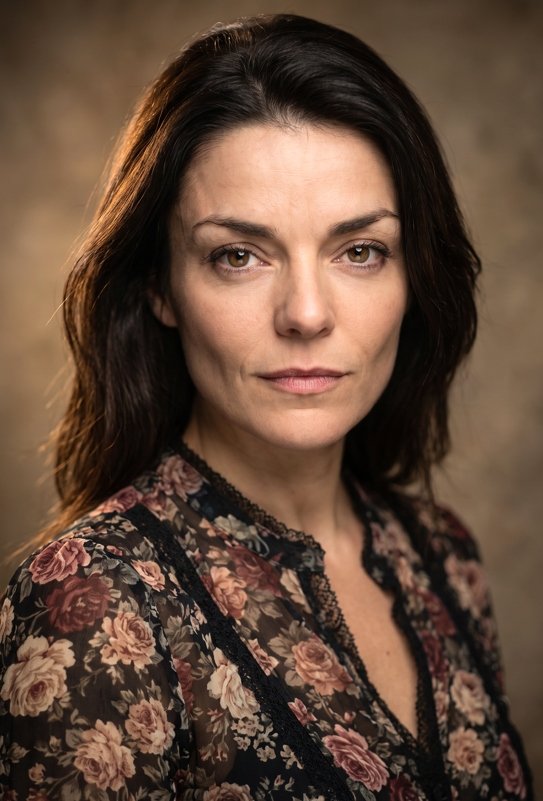
Would you like to purchase a work by Enora Jacquart or get in touch with the artist?
Write to us!

enora-jacquart-le-prix-de-la-trahison-photograhie-infographie-2026
Judith décapitant Horlophène (Artemisia Gentileschi) : La Rupture symbolique, photographie plastique et création numérique.

enora-a-ton-tour-maintenant-photograhie-infographie-2026
Judith contemporaine, photographie plastique et création numérique.
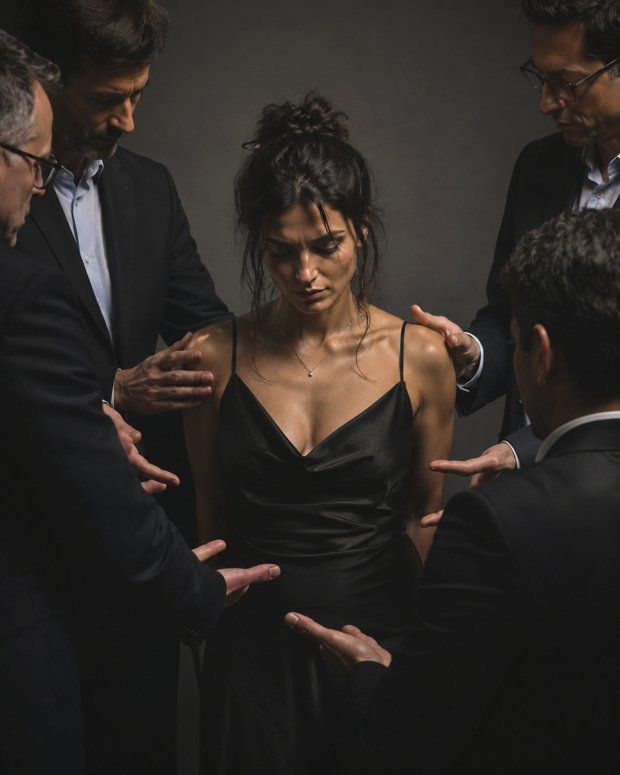
enora-jacquart-elle-a-ses-regles-ou-quoi-photograhie-infographie-2026
Suzanne (Artemisia Gentileschi) sous le regard, photographie plastique et création numérique.
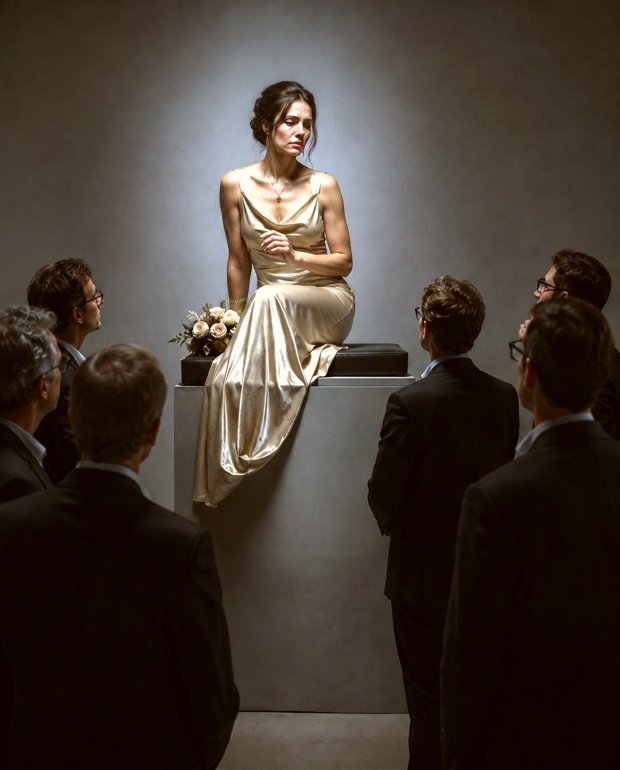
enora-jacquart-elle-est-a-sa-place-n-2–photograhie-infographie-2026
Elle est à sa place, photographie plastique et création numérique.
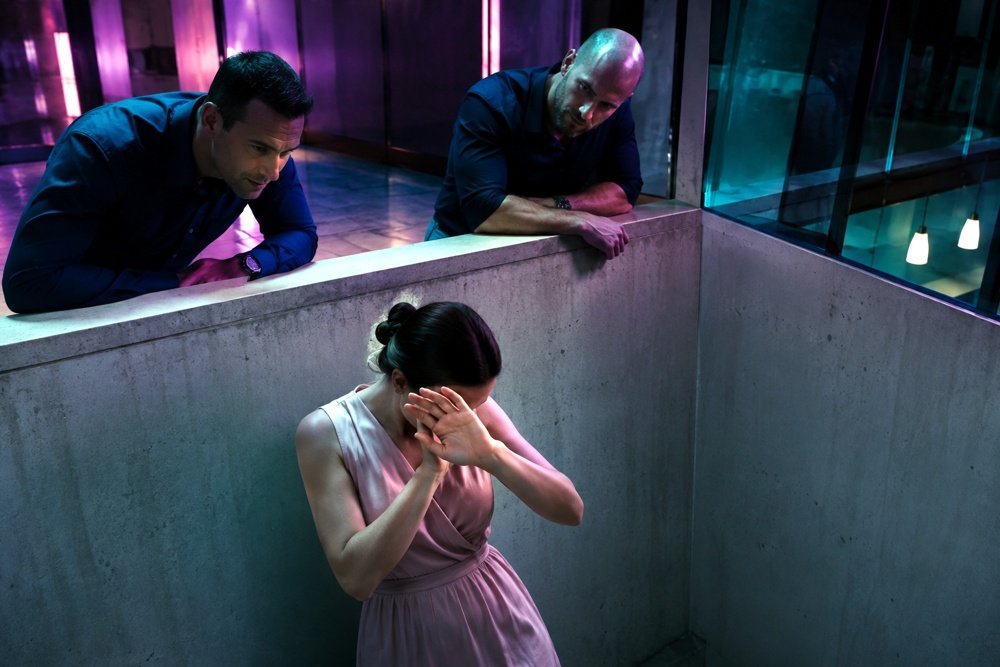
enora-jacquart-sois-sage-fais-nous-confiance-vilaine-photograhie-infographie-2026
Le Gaslighting, Fais-nous confiance, photographie plastique et création numérique.
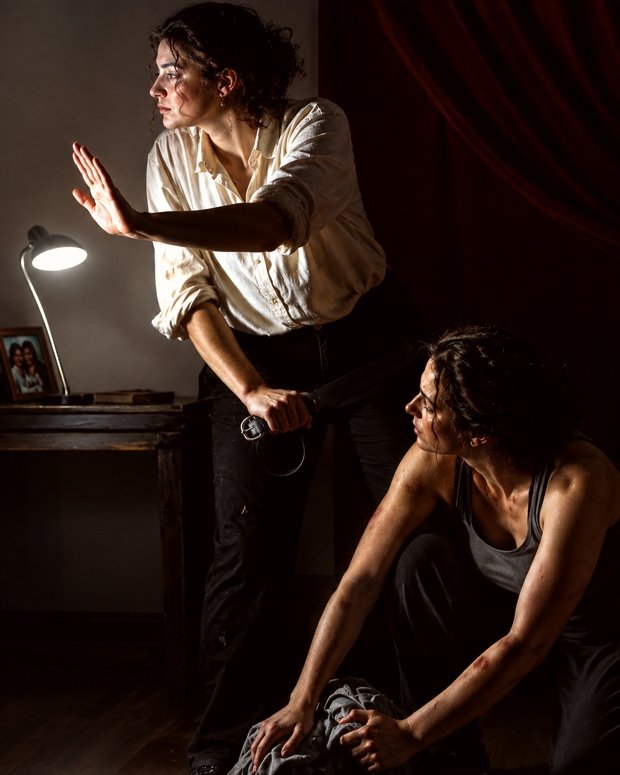
enora-jacquart-entre-judith-et-suzanne-photograhie-infographie-2026
La Sororité dans la Survivance, entre Judith et Suzanne, photographie plastique et création numérique.
enora-jacquart-elle-ose-refuser-la-domination-masculine-elle-represente-un-danger-photograhie-infographie-2026
Artemise contemporaine : L’Intelligence face à la Fureur, photographie plastique et création numérique.
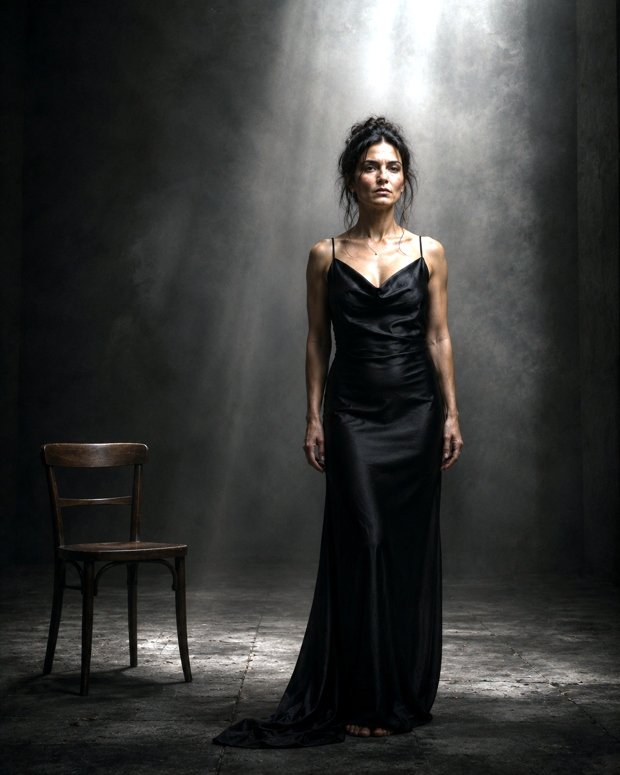
enora-jacquart-et-moi-dans-ce-theatre-social-photograhie-infographie-2026
La Réappropriation du « Male Gaze »,; Et moi, dans ce théâtre social, photographie plastique et création numérique.
Are you a creative person working in the fine arts?
We’d be delighted if you joined our Swiss–French online gallery, open 24/7 to the whole world!
Would you like to take part in our art classes?
We’d truly love to welcome you among us.
