


Dear art lovers,
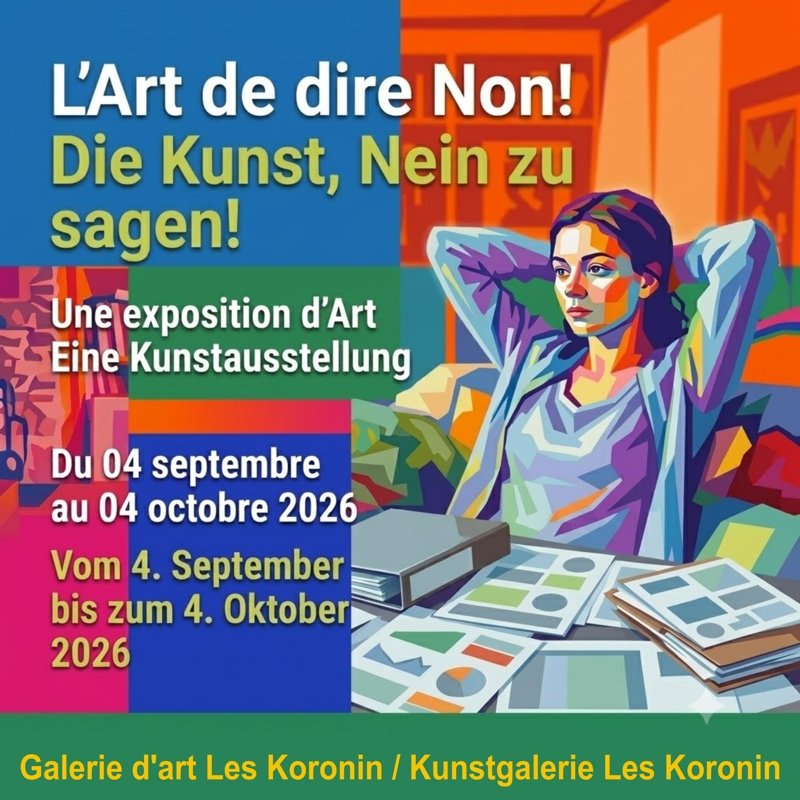
Our exploration of the artists’ creative process continues. This month, our collective of artists is tackling a theme conceived back in June. The theme is entitled: ‘Beneath the Surface of Commands (or The Art of Saying No)’. It resonates with the literary work of Leïla Slimani. Indeed, this work explores inner resistance, social pressure and the clamour of the world of work.
Why tackle this theme in September? Because the start of the new school year is a time when the pace of life picks up. Against a backdrop of the pursuit of profit and social tensions, our artists explore a fundamental boundary. Saying ‘no’ then becomes an act of sovereignty and freedom.
This month, the Koronin Gallery is showcasing four female designers: Ayla Woss (Germany), Anja Dallenbach (German-speaking Switzerland), Barbara Le Louverot (France), Valaine de Ranson (French-speaking Switzerland).
Copyright / AI Watermark
ayla-woss-sculpture-bronze-galerie-koronin
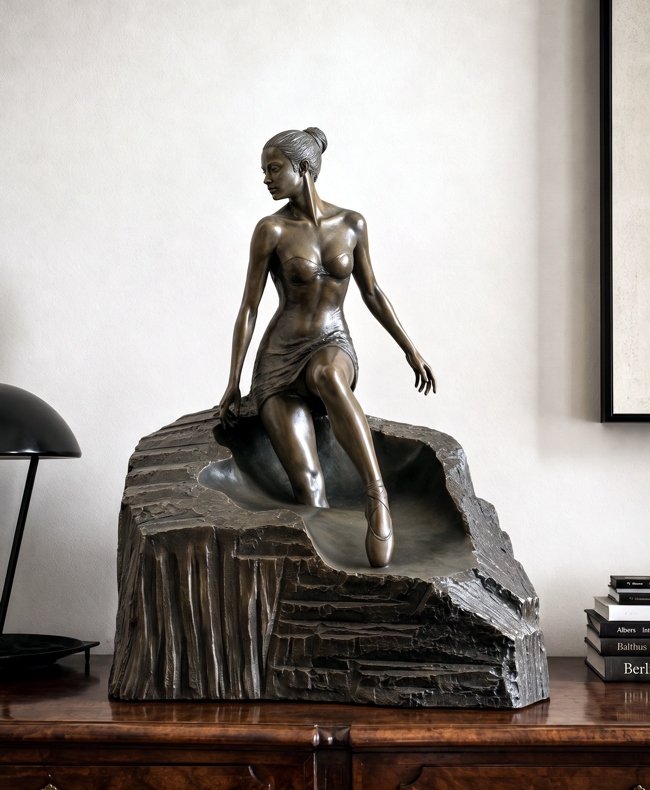
Ayla Woss, « Je ne refuse pas de danser. Je refuse de danser sur votre rythme. » – Bronze patiné et matière minérale.
anja-dallenbach-huile-sur-toile-galerie-koronin
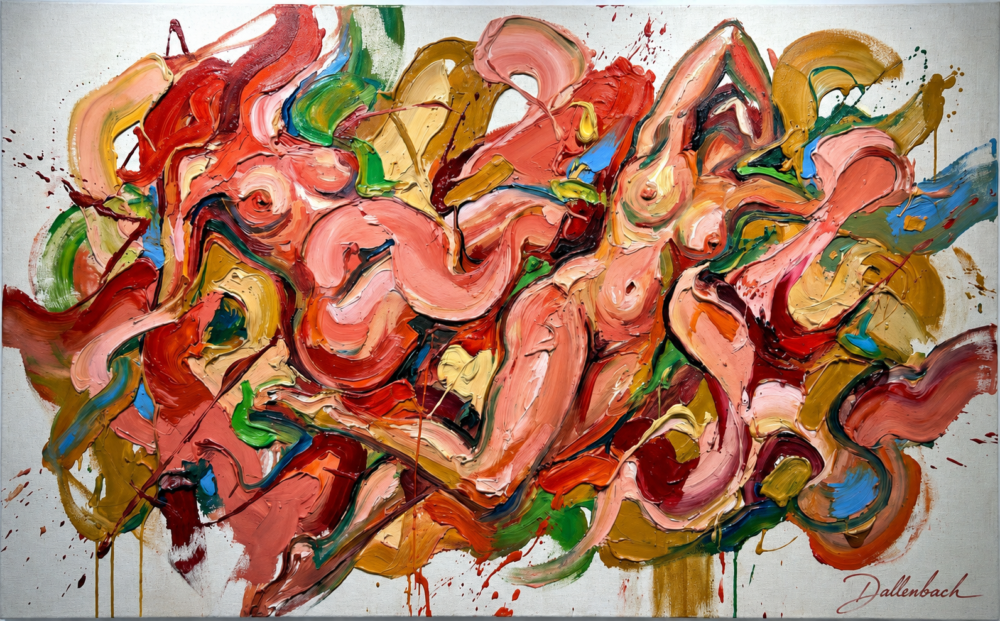
Anja Dallenbach, L’étau du temps – Huile sur toile.
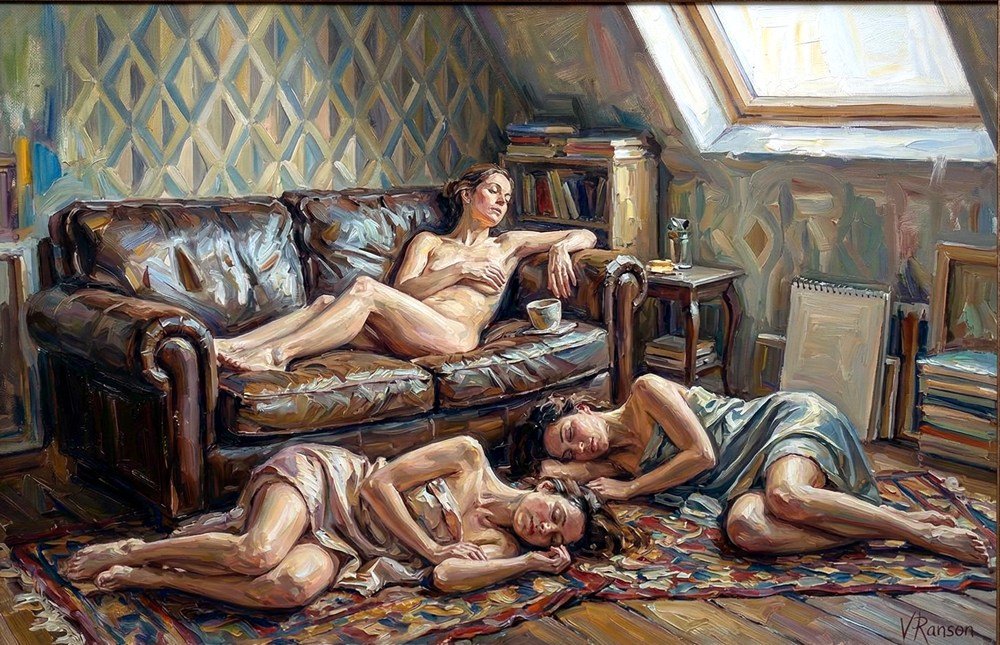
valaine-de-ranson-laissez-nous-en-paix-galerie-koronin
Valaine de Ranson, Laissez-nous en paix – Huile sur toile.
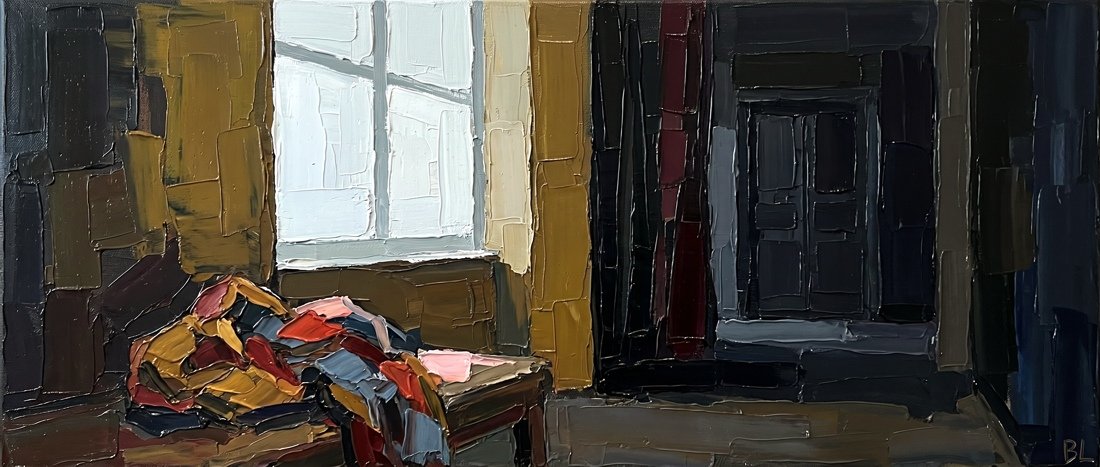
barbara-le-louverot-spatule-huile-galerie-koronin
Barbara Le Louverot, Ce qui entre la nuit – Huile sur toile à la spatule.
Ayla Woss – I’m not refusing to dance. I’m refusing to dance to your tune.
Patina-finished bronze and mineral material
In this bronze sculpture, the plinth goes beyond a mere decorative role. Indeed, it embodies the world of work and its demands for performance. Massive and unpolished, this block bears the marks of imposed mechanical rhythms.
Yet the dancer carves out her own space at the heart of this constraint. Within this cavity, the material becomes smooth and silent. This marks a clear break with the austerity of the exterior. Whilst still bound to the rock, the figure is already beginning to move towards autonomy. Thus, she abandons the imposed cadence to invent her own rhythm.
Furthermore, this contrast between the noise of the world and listening to oneself is what gives the work its full power. In Ayla Woss’s work, refusal becomes the founding act of freedom.
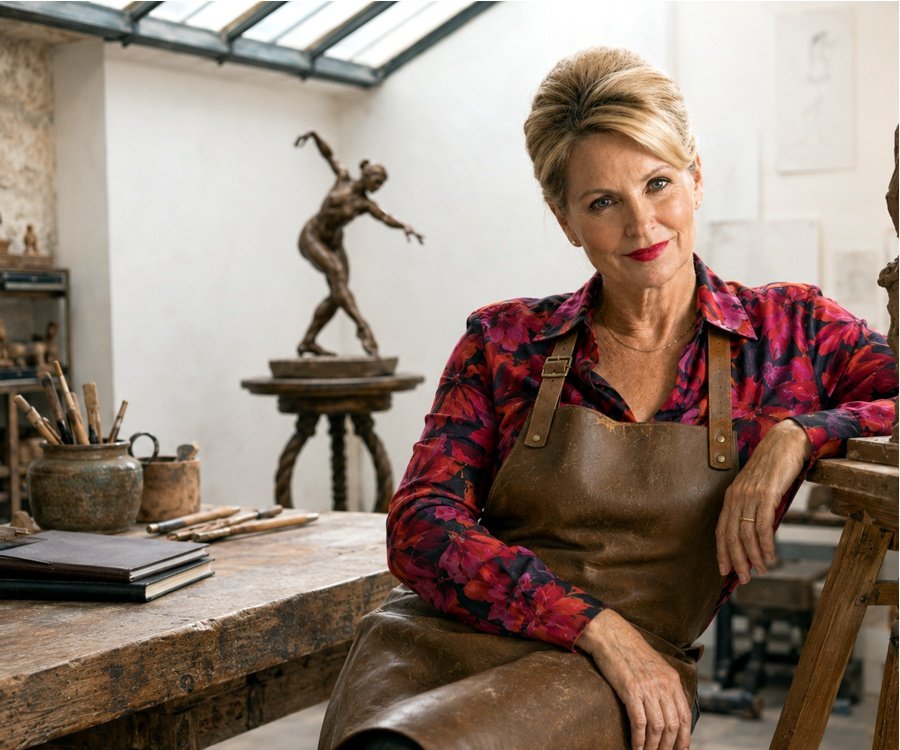
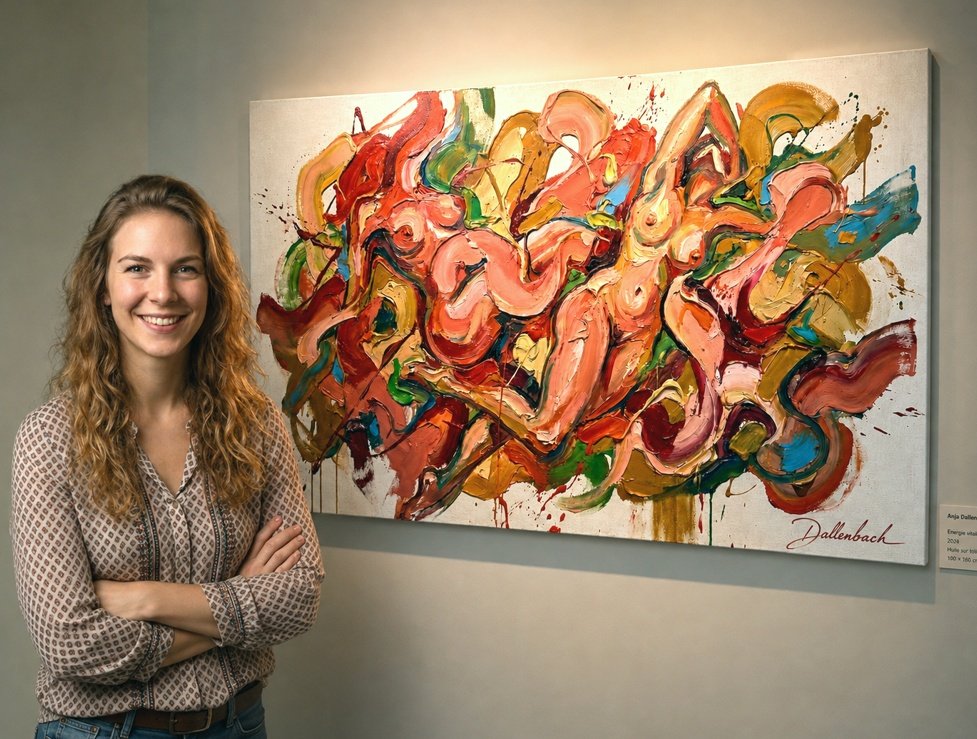
Anja Dallenbach – The Grip of Time
Oil on canvas
In this vibrant work, Anja Dallenbach explores the alienation of the body in the face of the frenetic pace of modern life. Indeed, the artist draws inspiration from Hartmut Rosa’s ideas on ‘time famine’ and hyperconnectivity. Furthermore, her gestural brushwork evokes the bureaucratic absurdity so dear to Franz Kafka.
On the canvas, the bodies appear to be swept away by a whirlwind of matter. In this way, the artist shows how the demands of speed and control fragment our private space. The painting thus becomes a cry against digital and administrative exhaustion.
Ultimately, Anja Dallenbach takes a stand against the status quo. Saying ‘no’ here means rejecting the relentless pace of life in order to reclaim our time and our humanity.
Valaine de Ranson – Leave us in peace
Oil on canvas (a series of six monumental paintings)
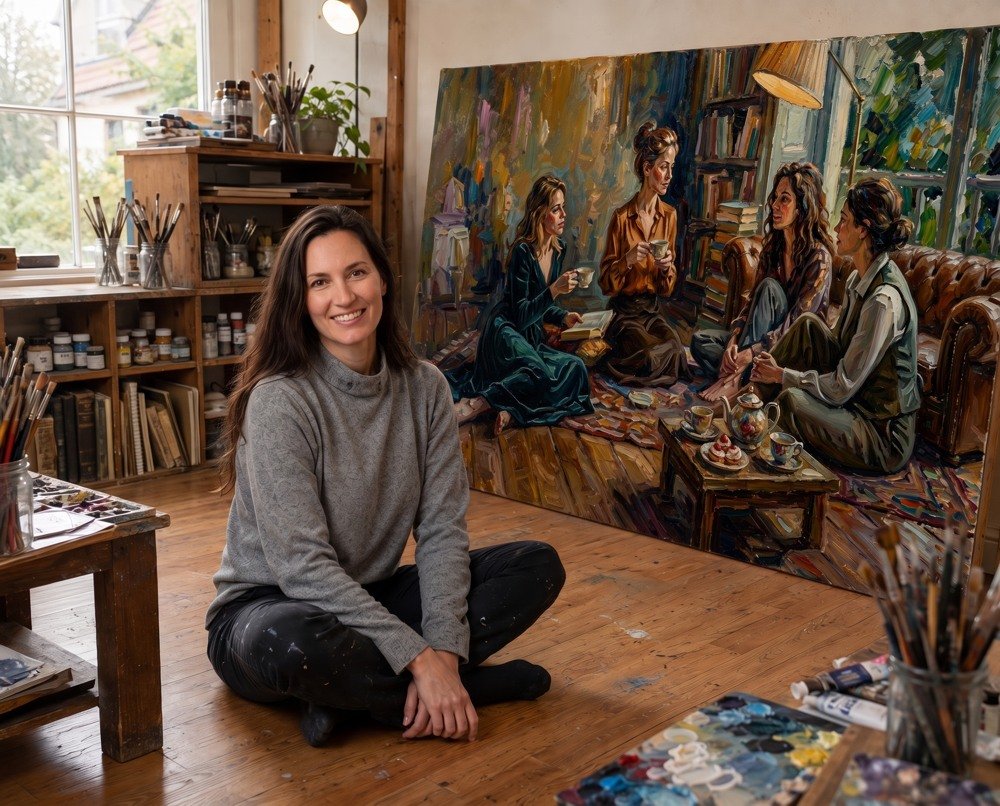
Through this monumental series, Valaine de Ranson celebrates sisterhood and tranquillity. Indeed, the painter depicts groups of women reclaiming their time. In contrast to the masculinist cult of performance and challenge, the artist champions the values of sharing and rest.
On canvas, rest becomes a form of political and personal resistance. Furthermore, Valaine playfully cites the spirit of the siesta as a restorative virtue. By creating this cosy refuge, the female figures shield themselves from societal pressures.
The work thus reminds us that knowing when to stop is an act of sovereignty. Saying ‘no’ to an imposed pace helps to restore confidence and peace of mind.
Barbara Le Louverot – What I won’t let in at night any more!
Oil on canvas (painted with a plastic palette knife)
The gallery wishes to express its deep emotion at this work of art.
In this dense and sombre painting, Barbara Le Louverot explores the memory of a personal trauma. Indeed, the artist chooses to paint using only a plastic palette knife. This technical constraint creates a thick, heavy texture.
In the painting, the eye is drawn to this oppressive corridor and the black door. Furthermore, the window lets in no comforting light. The work thus echoes the writings of Virginia Woolf in Moments of Life, in which the author reflects on the intrusions of childhood.
Here, applying paint becomes an attempt to exorcise the nightmare. In the face of the violence she has endured, Barbara’s approach amounts to a definitive ‘no’ designed to break the silence.
Acknowledgements 🤍
The Koronin Gallery would like to extend its warmest thanks to the artists Ayla Woss, Anja Dallenbach, Valaine de Ranson and Barbra Le Louverot for their trust and the power of their contributions.
Are you a creative person working in the fine arts?
We’d be delighted if you joined our Swiss–French online gallery, open 24/7 to the whole world!
Would you like to take part in our art classes?
We’d truly love to welcome you among us.

0 Comments